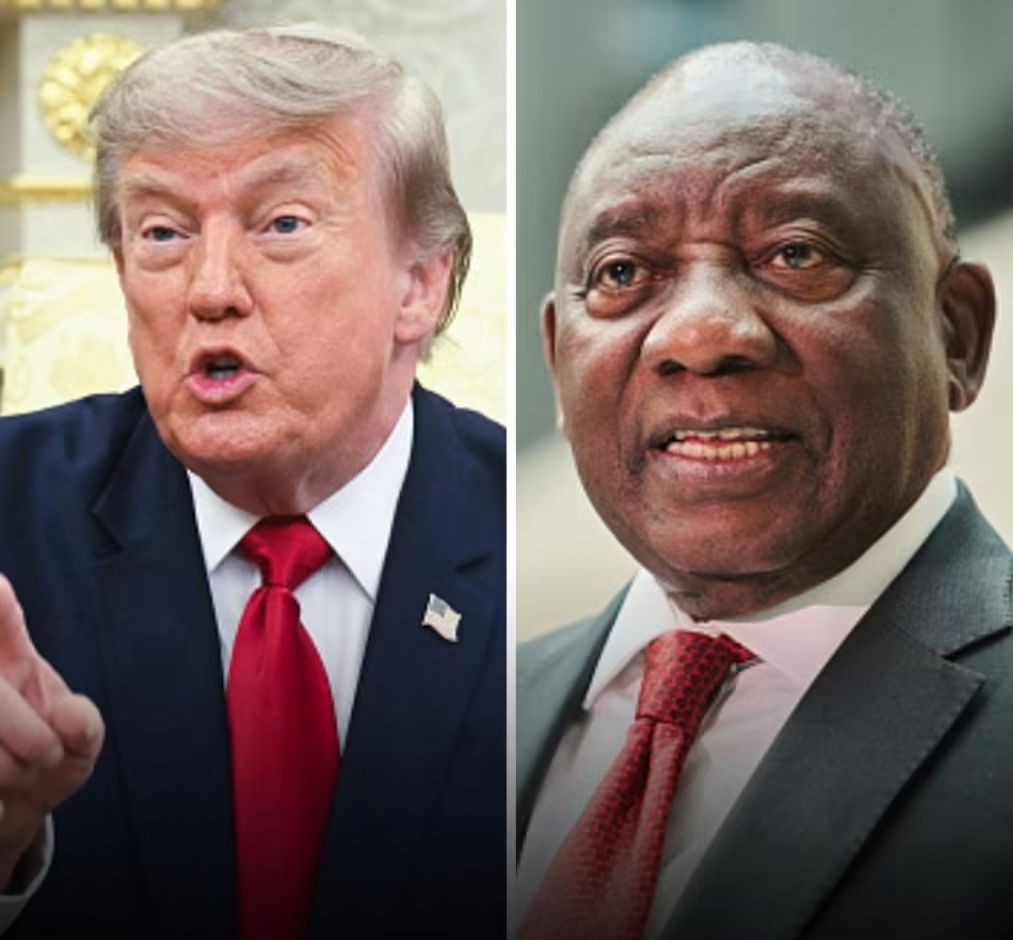
The United States has announced a new visa restriction policy targeting South African officials it accuses of sponsoring racial discrimination and land seizures, in a major escalation of diplomatic tensions between Washington and Pretoria.
US Secretary of State Marco Rubio announced the policy on Tuesday, saying it targets foreign nationals who are “responsible for, or complicit in, the enactment or implementation of laws or policies that enable uncompensated land seizures, race-based discrimination, and/or the incitement of imminent violence against members of minority ethnic or racial groups in South Africa.”
Rubio said the decision was taken because the South African government “has not adequately addressed the previously laid out concerns”, adding that “The United States will not allow such behavior to go unchecked.”
The restrictions were enacted under Section 212(a)(3)(C) of the Immigration and Nationality Act, which allows the US to bar individuals deemed inadmissible on foreign policy grounds. The policy is expected to also affect immediate family members of those targeted.
According to Washington, the measure will single out those responsible for “race-based discriminatory legislation, threats of land expropriation without compensation, and incitement of racial violence through dehumanising chants and slogans.” Rubio did not name any specific officials, nor did he say how many people would be affected.
The move is the latest in a series of punitive actions by the Trump administration against South Africa. Relations have soured since President Donald Trump’s return to office, with Washington previously barring South African officials from G20 meetings, cutting aid for HIV treatment programmes, imposing a 30% tariff on South African goods and offering refugee resettlement pathways to Afrikaners.
The dispute centers on South Africa’s Expropriation Act, which allows the government to expropriate unused private property without compensation in certain circumstances to address historical inequalities from apartheid. Washington argues the law amounts to government-sponsored discrimination against Afrikaners and other minority groups, and points to affirmative action policies and violent crimes against white farmers.
Last year, President Trump screened a video in the Oval Office during a meeting with President Cyril Ramaphosa which he claimed showed evidence of persecution and “genocide” against white South Africans — claims that have been widely investigated and found to have no evidence.
Pretoria has consistently rejected the allegations. The Department of International Relations and Cooperation (DIRCO) said the announcement aligns with the mischaracterisation of the nation’s domestic policies by “fringe groups,” and insisted that challenges can only be resolved by “constructive engagement through state actors on both sides of the diplomatic channel not unilateral acts.”
President Ramaphosa has previously stated there is no evidence of systematic persecution of white South Africans, calling such narratives a threat to post-apartheid unity and sovereignty. The government maintains it has a sovereign right to introduce laws aimed at addressing centuries of racial injustice.
Foreign Minister Ronald Lamola defended the land reform as an effort to address the legacy of apartheid and colonial rule, while the government emphasized that crime affects all South Africans and is not targeted by race.
The State Department stressed the policy is not a blanket ban on all South African citizens, but a targeted mechanism to restrict entry based on specific foreign-policy considerations.
However, US Ambassador to South Africa Leo Brent Bozell III warned that the restrictions are “just the beginning” and show “America’s firm resolve in this matter.”
Financial markets initially shrugged off the announcement, with the Rand little changed, but political analysts warn it marks a historic low in bilateral relations since 1994 and could lead to further diplomatic isolation if Pretoria does not adjust course.