

The Cross River State Government through the Teachers Continuous Training Institute (TCTI) Biase, has intensified its six-month residential training program for 300 indigenous youths. The initiative is funded by a ₦90 million World Bank Innovation Development and Effectiveness in Acquisition of Skills (IDEAS) TVET grant.
The project, which follows a competitive national bidding process won by the institute in 2025, is aimed at tackling youth unemployment by converting the state’s younger population into a tech-savvy workforce.
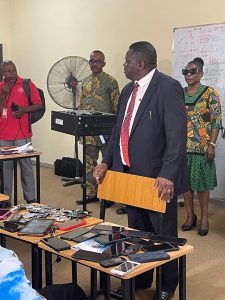
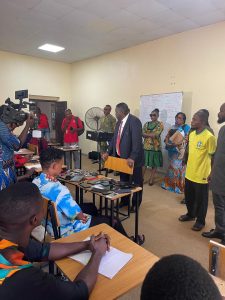
Unlike traditional short-term workshops, this comprehensive six-month program focuses on high-demand, daily yield ICT systems. Participants are currently receiving hands-on instruction in computer and telephone hardware repairs and system maintenance under the supervision of Dr Emmanuel Omini, the Institute’s Acting Director of ICT, who doubles as the workshop’s training project manager.
The Director-General of TCTI, Professor Taoheed Adedoja, noted during a recent inspection that the initiative is designed to offer a sustainable path to entrepreneurship and self-reliance, aligning with the pro-people agenda of Governor Bassey Otu.
To ensure accountability and quality control standards, the organizers have implemented a real-time biometric attendance system mandated by the World Bank. This system verifies the participation of each trainee before their approved monthly entitlement are disbursed, ensuring that financial constraints do not hinder their learning progress.
Professor Adedoja expressed satisfaction with the speed and progress of the trainees, who were selected from an overflow of applications based on merit.
“I am pleased with the enthusiasm of the participants and the commitment of our facilitators. These 300 youths have been segmented into five (5) specialized classes under professional instructors to ensure personalized learning,” Adedoja stated.
Beyond the classroom, the IDEAS TVET project is structured to provide a cycle of empowerment. Upon completion of the training, the beneficiaries will receive official certification, be provided with comprehensive start-up kits to launch their own businesses, and contribute to the steady economic and human capital development of Cross River State.
The trainees took turns to express gratitude to the state government for the opportunity to gain industry-related skills that will make them competitive in the modern job market.