The world is at a crossroads, with the ongoing conflict between the United States, Iran, and Israel exacerbating the global energy crisis and threatening to plunge the world into an economic abyss.
Nigeria, not immune to these global trends, is grappling with soaring energy costs, including petrol, diesel, kerosene, and gas, which have led to a rising cost of living, transportation woes, and other economic challenges.
However, amidst these difficulties, Nigeria stands to benefit from the current oil price surge, having earned billions of dollars in revenue from oil exports in recent weeks.
It is imperative that the government, led by President Bola Ahmed Tinubu, seizes this opportunity to alleviate the suffering of its citizens by unveiling palliative measures that can positively impact the lives of the most vulnerable populations.
To address the pressing economic challenges facing Nigerians, we propose the following ten strategies:
1. Reduction in cost of fossil fuel (Petrol, diesel, kerosene) : A decrease in fossil fuel prices would have a ripple effect on the economy, reducing transportation costs, and subsequently, the cost of goods and services. This can be achieved in partnership with Dangote Refinery which produces more than eighty percent of the nation’s fossil fuel.
2. Further support for expansion of Compressed Natural Gas (CNG) Infrastructure across Nigeria: Investing in further expansion of CNG infrastructure would provide a cleaner, more affordable alternative energy source for households and industries, reducing reliance on expensive fossil fuels. The Presidential Compressed Natural Gas initiative is delivering on this mandate but needs to do more.
3. Expansion of Public Transport System including Bus Rapid Transport (BRT) in all states: Enhancing public transportation networks would ease mobility, reduce transportation costs, and decrease emissions, contributing to a healthier environment. The president should as a matter of urgency purchase and distribute buses to all states for this purpose in partnership with National Union of Road Transport Workers, and National Association of Road Transport Owners etc.
4. Release and distribution of grains to citizens: Providing grains to citizens would help alleviate food insecurity, a pressing concern for many Nigerians, and help stabilize food prices. The nation’s grains reserve can serve at this critical time and grains such as rice, millet, sorghum etc should be distributed to States.
5. Expansion of Conditional Cash Transfer (CCT) and other Citizens Welfare Schemes in Nigeria: Strengthening social safety nets through CCT and other welfare programs would provide direct support to vulnerable populations, enabling them to meet basic needs.
6. Implementation of targeted subsidies for vulnerable populations: Targeted subsidies would help cushion the impact of rising energy costs on low-income households, ensuring access to essential services. There is however tendency for the implementation of this targeted subsidies to be abused so strategies must be unveiled to ensure this does not happen.
7. Investment in renewable energy sources: Diversifying Nigeria’s energy mix to include renewables like solar and wind power would reduce dependence on fossil fuels and mitigate the impact of global energy price volatility. This will also help the nation to cut it’s carbon footprint and mitigate climate change.
8. Support for small and medium-sized enterprises (SMEs): Providing incentives and support for SMEs would stimulate economic growth, create jobs, and enhance economic resilience.
9. Job creation and employment programs: Initiatives aimed at creating jobs and promoting employment would help reduce poverty and stimulate economic activity.
10. Infrastructure development and maintenance: Investing in critical infrastructure would improve connectivity, reduce transportation costs, and enhance economic competitiveness.
As Nigeria navigates these challenging times, it is crucial that the government prioritizes the welfare of its citizens. The current oil revenue windfall presents an opportunity to implement palliative measures that can make a tangible difference in the lives of Nigerians.
The Nigerian government must act swiftly to address the rising cost of living and economic hardship facing its citizens. The proposed measures are not exhaustive, but they represent a starting point for a comprehensive response to the crisis.
Ultimately, the success of these initiatives will depend on effective implementation, transparency, and accountability. The government must ensure that the proposed measures reach the intended beneficiaries and contribute to meaningful improvements in the lives of Nigerians.
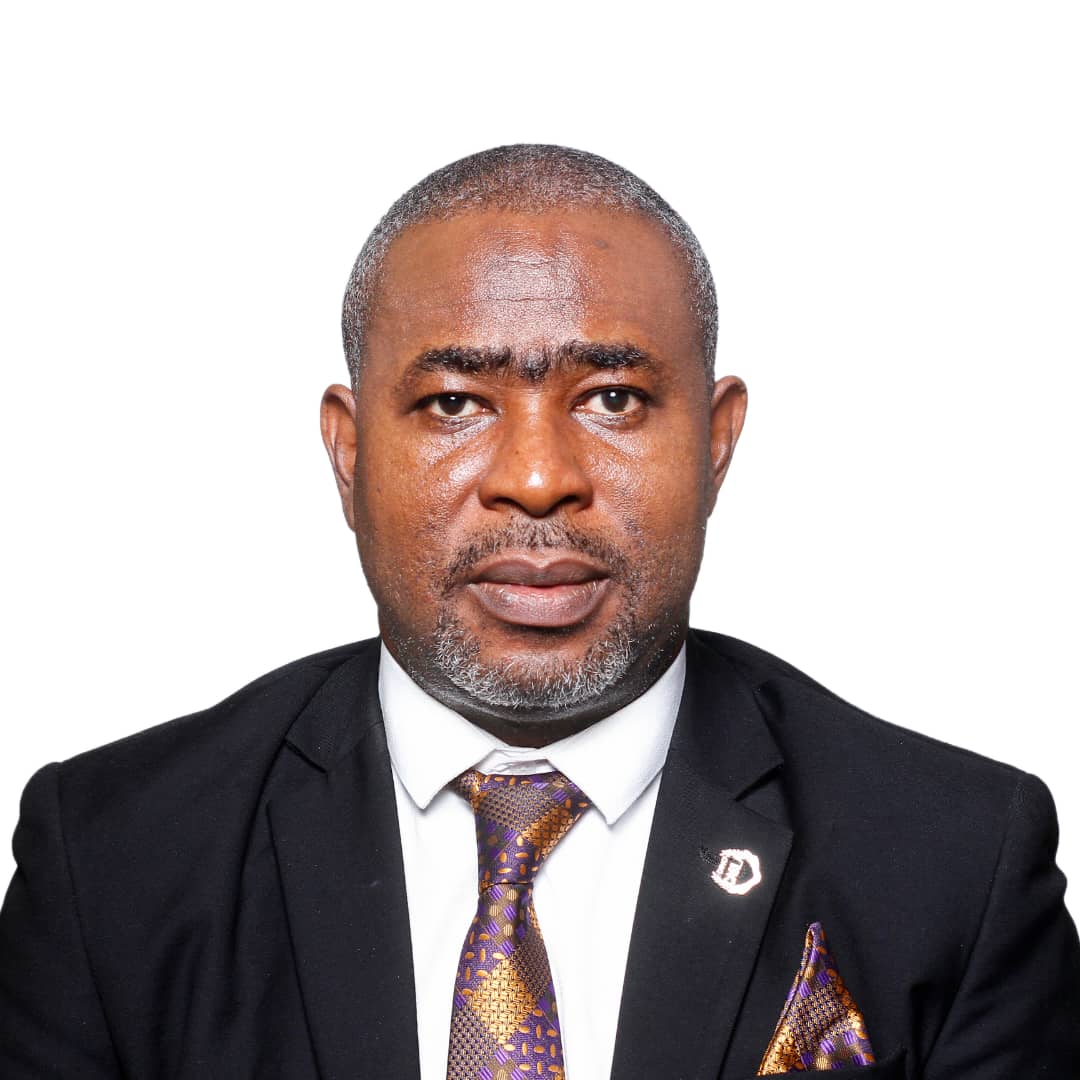
Emmanuel Etim is a public affairs analyst based in Calabar, Cross River State.