



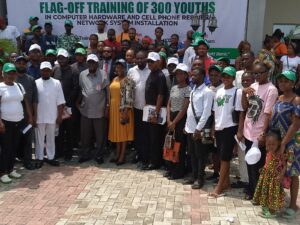
The Teachers Continuous Training Institute, TCTI, Biase, is in the closing phase of a six-month residential skills development program for 300 indigenous youths, under the World Bank-funded Innovation Development and Effectiveness in Acquisition of Skills, IDEAS, TVET project.
Now in its fifth month, the initiative is advancing trainees from classroom instruction to industry-based practical immersion. The program commenced on January 12, 2026, and is structured to address youth unemployment by building a technically proficient, tech-driven workforce for Cross River State.
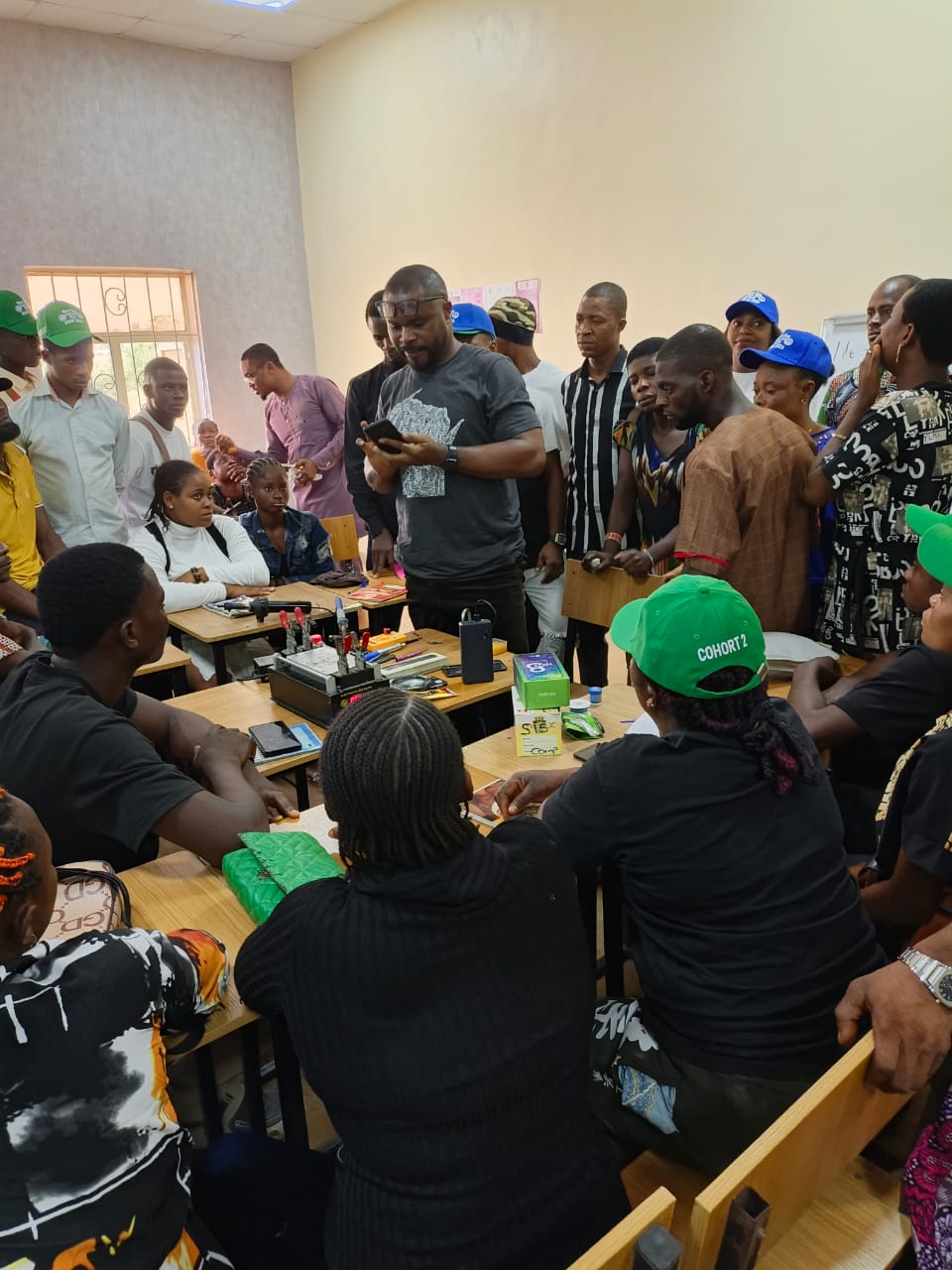
After completing three months of marathon theoretical training and industrial work experience component, beneficiaries have entered the second month of a three-month practical experience exercise. This final phase of the practicals is delivered in partnership with local ICT service providers that focus on their technical skills.
The Institute clinched the World Bank IDEAS TVET grant in 2025 after prevailing in a highly competitive national bid, following its capacity to deliver standardized vocational training aligned with best practices.
Speaking during a media call-in program, Director-General of TCTI, Professor Taoheed Adedoja, said trainees are receiving supervised, hands-on instruction in computer and mobile telephone hardware maintenance, diagnostics and system repairs.
“The participants are undergoing different practical training in computer and telephone hardware repairs, system maintenance, network installation and troubleshooting under the mentorship of certified resource persons. The goal is to produce graduates with market-ready competencies,” Professor Adedoja stated.
He added that the curriculum also covers occupational health and safety, teamwork, technical communication, computer and network configuration, use of diagnostic tools and software, preventive maintenance and the fundamentals of basic electronics as applied to ICT hardware.
Professor Adedoja expressed satisfaction with the program’s execution and the trainees’ commitment. He noted that selection was merit-based following a large volume of applications and commended Cross River State Governor, Senator Prince Bassey Otu, for championing youth development. Adedoja also lauded the World Bank for funding support and acknowledged the Cross River State Commissioner for Education, Professor Stephen Odey, the Service Training Manager, Dr Emmanuel Omini (the Acting Director of Digital Literacy and Emerging Skills), alongside facilitators for their contributions.
“There is one month remaining. I am particularly encouraged by the dedication of the trainees and the commitment of our facilitators. After the theoretical phase, we deployed them for industrial attachment with certified technicians to ensure they gain real-world experience in phone and laptop repairs,” he said.
With graduation scheduled for next month, TCTI says the project represents an investment in human capital and a scalable model for equipping Nigerian youths with 21st-century technical skills. At the end of the program, certified trainees will be equipped with start-up toolkits to launch their own workshops and drive self-reliance across Cross River State.