
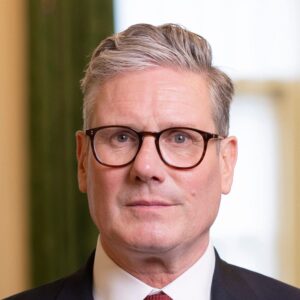
Kemi Badenoch, Leader of the Conservative Party, has delivered a sharp rebuke of Keir Starmer’s premiership following his resignation as Prime Minister, declaring his tenure “unsuccessful” and blaming Labour policies for the economic and social pressures facing the country.
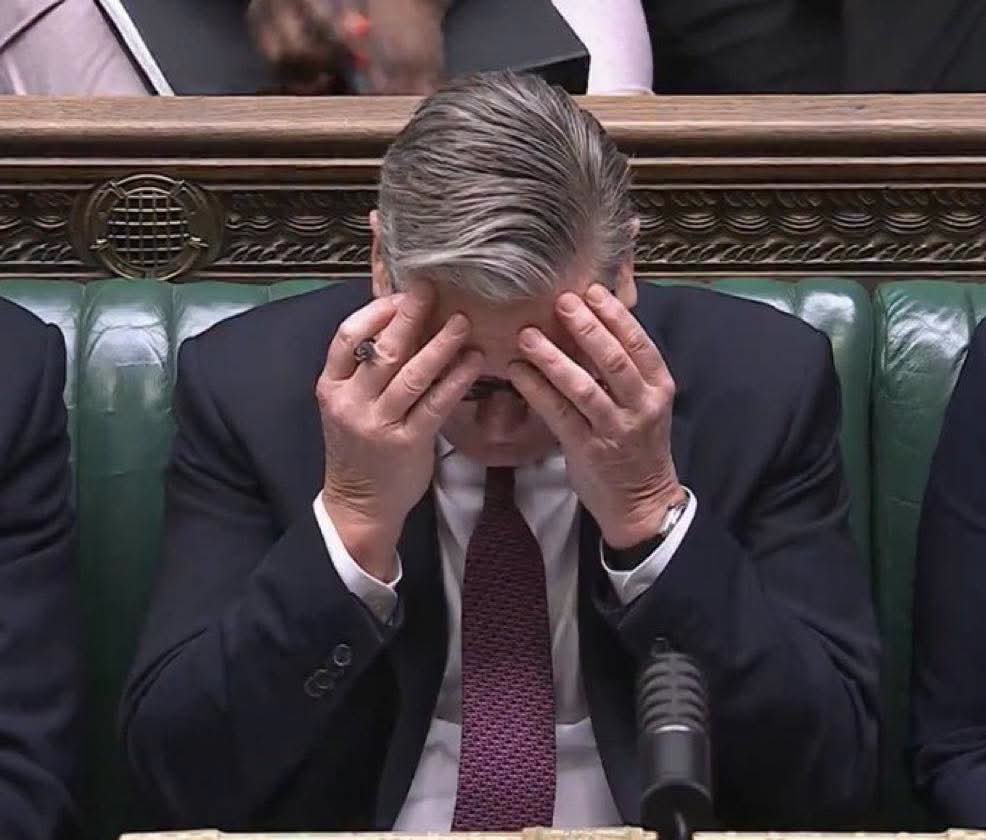
Starmer, who led Labour to a landslide general election victory in July 2024, announced his resignation earlier today after just under 2 years in Downing Street. The move triggers the start of a new Labour leadership contest and throws UK politics into fresh uncertainty ahead of local elections next month.
Speaking outside Conservative Party headquarters in Westminster, Badenoch said the country could not afford another term of Labour’s approach to governance.
“Keir Starmer’s time as Prime Minister will be remembered as unsuccessful,” Badenoch told reporters. “From the cost of living to public services, from immigration to growth, Labour’s policies have left Britain more divided and less prosperous than we were when they took office.”
She argued that Labour’s tax increases, energy policies, and spending decisions had “choked growth, increased burdens on working families, and failed to restore confidence in public institutions.” Badenoch pledged that the Conservatives, now in opposition, would offer “a clear alternative focused on enterprise, accountability, and national renewal.”
Starmer entered No. 10 in July 2024 promising “change” and stability after years of Conservative turnover. His government prioritized NHS reform, green energy investment, and closer trade ties with the EU. However, his premiership faced headwinds from persistent inflation, public sector strikes, and internal party divisions over welfare and housing policy.
Polling in the weeks before his resignation showed Labour trailing the Conservatives, with voters citing cost-of-living pressures as the top concern. Starmer cited “the need for new leadership to take Labour into the next phase” as the reason for stepping down.
Badenoch, elected Conservative leader in late 2024, used the moment to reset her party’s message after three years of internal turmoil. Since taking over, she has focused on sharpening the party’s economic platform and rebuilding trust with voters in “Red Wall” and rural constituencies.
“This is a chance for a reset,” she said. “The British people deserve a government that backs aspiration, protects security, and gets the basics right. Labour failed on all three.”
Labour’s National Executive Committee is expected to set the timetable for a leadership election within days. The next Prime Minister will inherit challenges including NHS waiting lists, housing shortages, and negotiations on post-Brexit trade rules with the EU.
For Badenoch and the Conservatives, Starmer’s exit opens a path to regain power, but they will need to convince voters that the party has learned from its own period of instability between 2019-2024.
With the UK facing a leadership change in both main parties within two years, attention now shifts to who will succeed Starmer and whether Badenoch can turn Conservative criticism into electoral gains.