By: Eugene Upah
In a dramatic shake-up at the “Glass House,” the President of the Nigeria Football Federation, Alhaji Ibrahim Musa Gusau, has resigned alongside members of the NFF Executive Committee and General Secretary Dr. Mohammed Sanusi.
The mass resignation was announced on Thursday during a press conference in Abuja, bringing an abrupt end to the Gusau-led administration that took office in September 2022.
The resignations come amid mounting criticism over Nigeria’s poor showing in international football and intense scrutiny of the federation’s finances.
Nigeria failing to qualify for both the 2022 and 2026 FIFA Men’s World Cups were listed as some of the issues been raised.
For the first time since 1991, the Super Falcons will miss the FIFA Women’s World Cup after a 2-1 playoff defeat to South Africa’s Banyana Banyana. The team’s exit from the 2026 WAFCON quarter-finals to Cameroon also ended their title defense.
The Golden Eaglets failed to qualify for the FIFA U-17 World Cup for three consecutive editions.
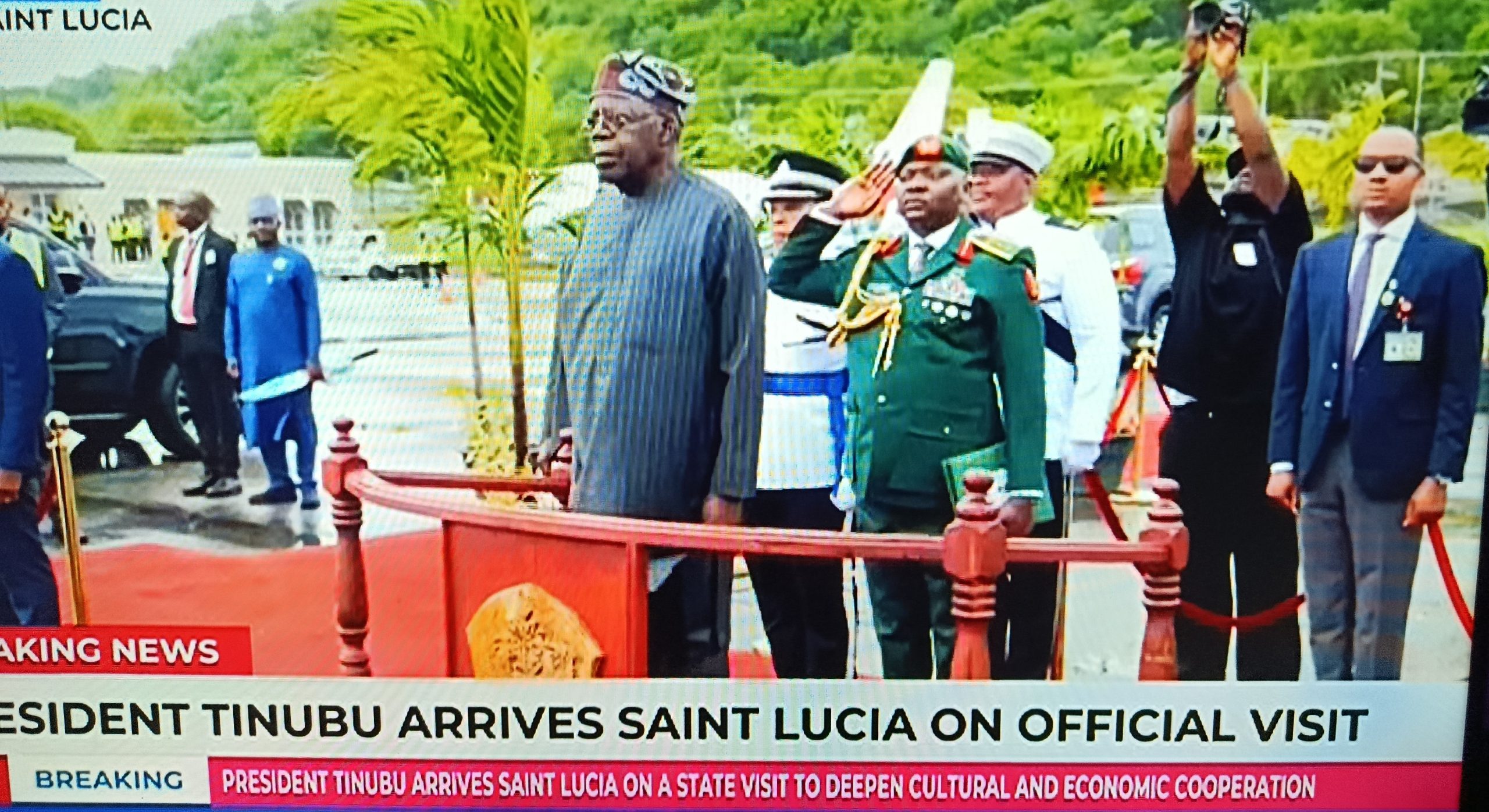
The DSS and EFCC launched investigations into the utilization of a ₦17 billion Federal Government intervention fund approved by President Bola Tinubu in 2024 to clear outstanding wages and bonuses for national teams. Sources say the probe is focused on documents at the NFF secretariat.
Gusau told reporters he had informed board members of his decision and advised those willing to follow suit to resign. Reports indicate that 8 of the 13 board members have now quit.
The resignations leave a leadership vacuum just a month before the NFF Elective Congress earlier scheduled for September 27 in Lafia, Nasarawa State.
The National Sports Commission is reportedly moving to set up a ‘Normalisation Committee’ to temporarily manage the affairs of Nigerian football until a new governance structure is put in place.
Football stakeholders, former internationals and fans have been calling for sweeping reforms. Former Super Eagles captain John Obi Mikel was among prominent voices demanding the leadership step aside.
“This is the culmination of a deep-seated crisis spanning poor on-field performances, public outrage, and mounting scrutiny over financial management,” a statement from sports analysts noted.
The NFF Congress has also convened an emergency meeting to deliberate on the crisis, the status of the Executive Committee, and implications for the federation’s governance and stability.
The development has thrown Nigeria’s sports ecosystem into “uncharted territory”, with many hoping the new structure will mark a departure from how the NFF has been run in the last two decades.
As Nigeria searches for a new direction, the focus will now shift to who will lead the Normalisation Committee and how quickly reforms can be implemented to restore confidence in Nigerian football.