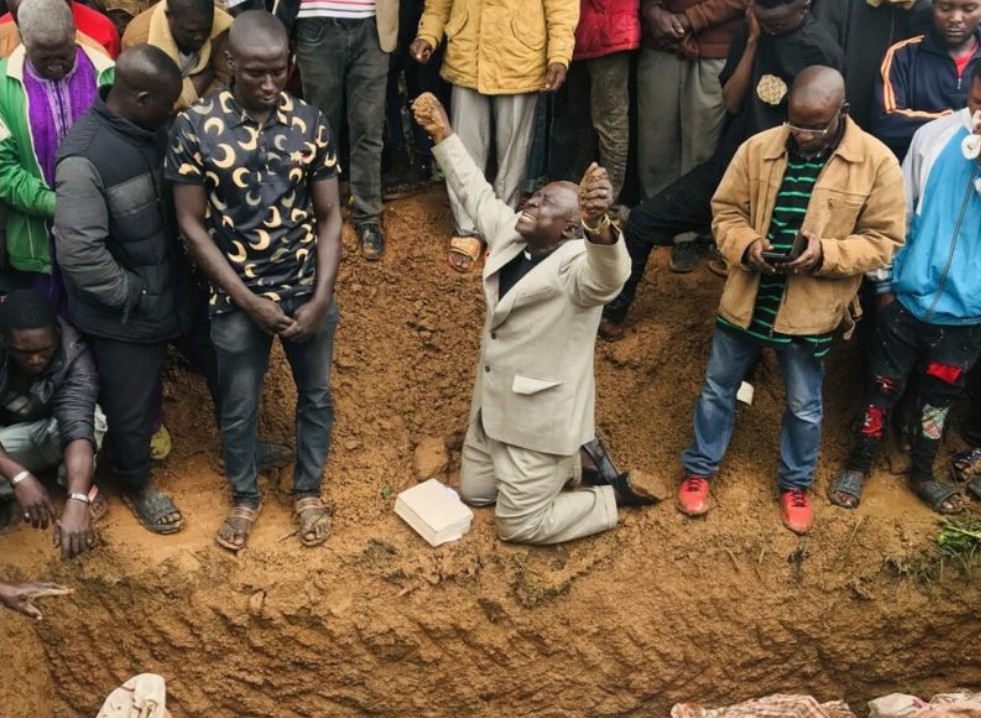
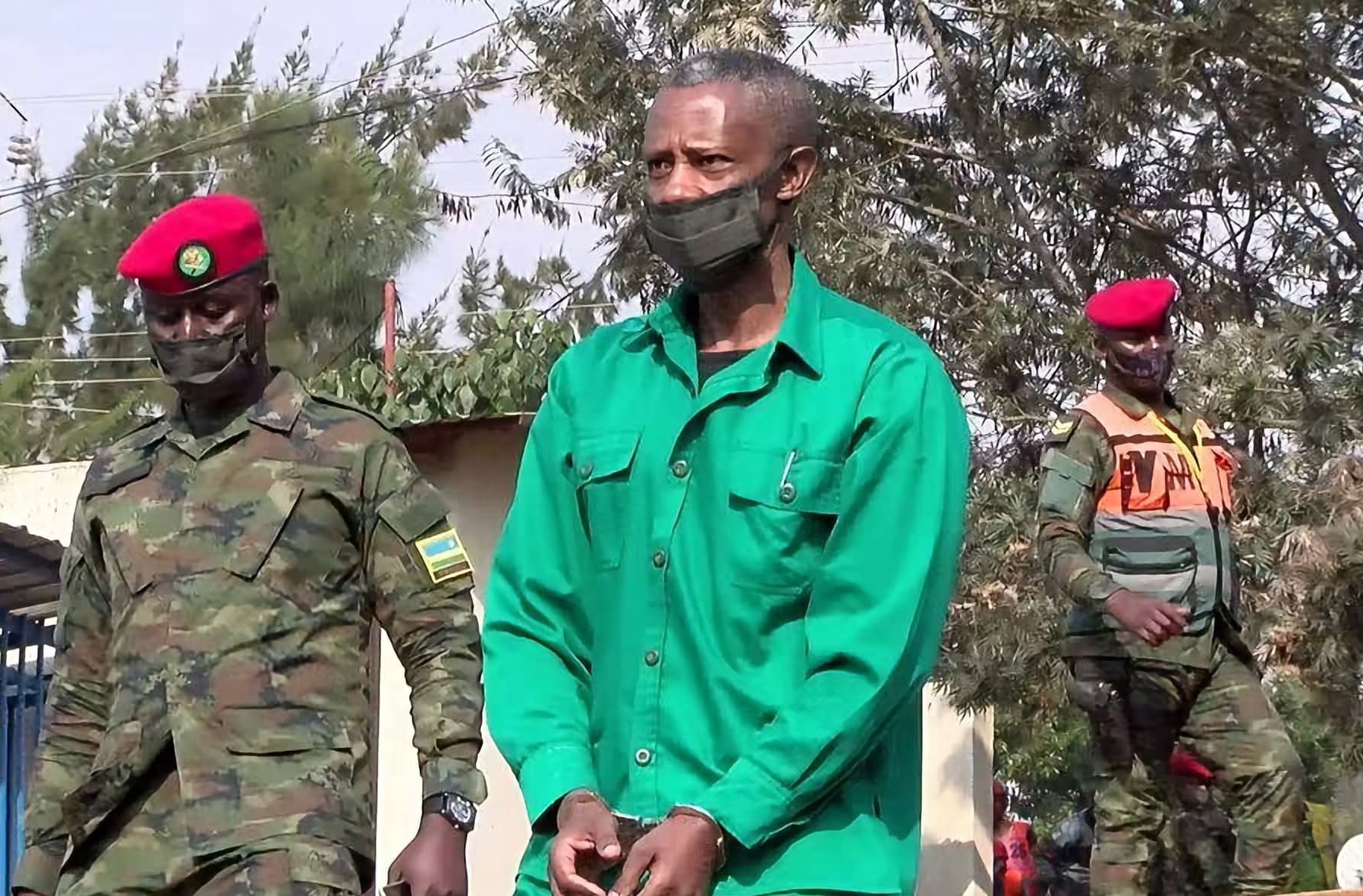
Colonel Tom Byabagamba, the former commander of Rwandan President Paul Kagame’s elite Republican Guard, died in prison on August 25, 2026, after spending nearly 12 years in military detention, his family announced.
The death was made public by his older brother, David Himbara, a former economic adviser to President Kagame who now lives in exile and is a vocal government critic. In a statement, the family said they were notified of the death by military authorities but had not been given an official cause of death as of Monday.
Byabagamba was a veteran of the Rwanda Patriotic Front’s (RPF) liberation struggle. He began protecting President Kagame in 1990 and later rose to command the Republican Guard, the elite unit responsible for the president’s personal security.
He was also connected to other high-profile figures within and outside the government. He was the brother of David Himbara and the brother-in-law of retired Brigadier General Frank Rusagara, another former senior officer who fell out with the government.
Byabagamba was arrested in August 2014. Military prosecutors accused him of criticizing the Rwandan government to fellow officers. He was also charged with “undermining the national flag” after allegedly failing to salute it during a 2013 deployment to South Sudan.
A military court convicted him and sentenced him to 21 years in prison. The court also stripped him of his military rank, citing charges of inciting insurrection, tarnishing the government’s image and concealing evidence.
On appeal, the Court of Appeal in Kigali upheld the core convictions but reduced his sentence to 15 years.
While in prison, additional charges were brought against him. In 2020, the Rwanda Defence Force (RDF) accused Byabagamba of an alleged attempt to commit corruption and to escape from prison.
Byabagamba’s death comes just over a year after his co-defendant and brother-in-law, Brigadier General Frank Rusagara, also died in a Rwandan prison in March 2025. Rusagara had served 11 years of his sentence at the time of his death.
The deaths of two senior former military commanders who were once close to the presidency have renewed questions among rights groups and the Rwandan diaspora about prison conditions and the treatment of high-profile detainees.
The Rwanda Defence Force and the Rwanda Correctional Service had not released an official statement on Byabagamba’s cause of death by press time.
Byabagamba’s case was closely watched both in Rwanda and abroad as an example of how the government handles dissent within its own ranks. From presidential protector in 1990 to prisoner in 2014, his trajectory mirrored the complex and often perilous politics of Rwanda’s ruling establishment.