
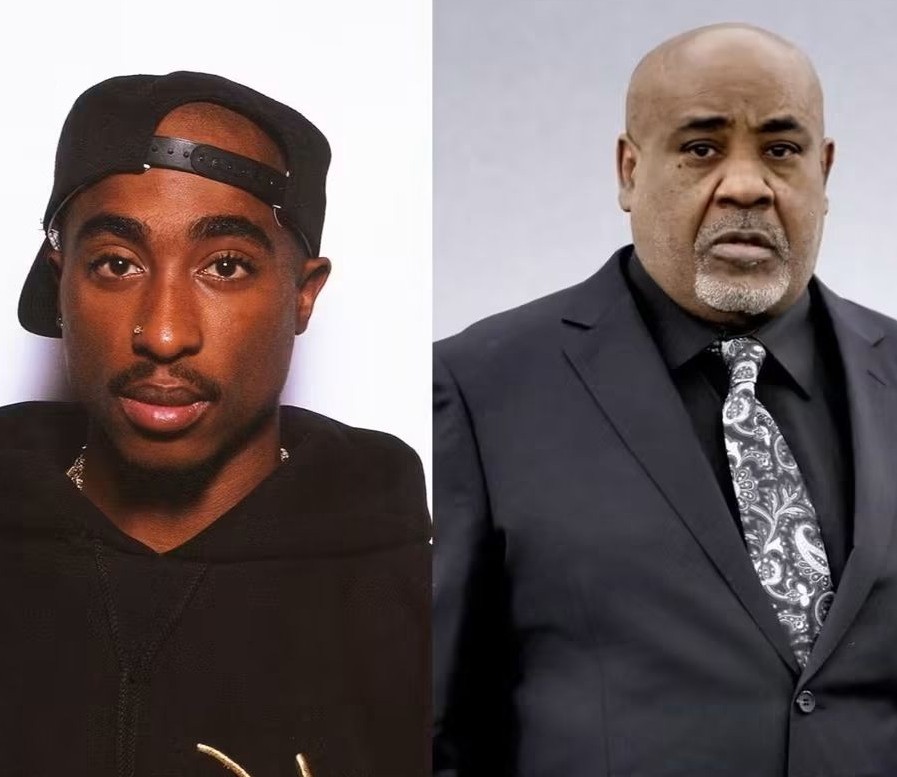
Nearly 30 years after hip-hop super icon, Tupac Shakur was gunned down on the Las Vegas Strip, a jury has convicted Duane Keith ‘Keefe D’ Davis of orchestrating the murder, delivering the first guilty verdict in one of music’s most infamous unsolved cases.
The 63-year-old former South Side Compton Crips leader was found guilty on Monday, August 31, 2026, of one count of first-degree murder with use of a deadly weapon after less than three hours of jury deliberation. The 11-day trial in Clark County District Court marked the first time anyone has been charged in Shakur’s death 30 years later.
Davis faces a maximum sentence of life in prison without the possibility of parole. Sentencing is scheduled for October 13. Davis told the judge he plans to appeal the verdict.
Prosecutors argued the shooting was an act of “gang retaliation and revenge”.
Chief Deputy District Attorney Binu Palal told jurors that hours earlier on Sept. 7, 1996, Shakur and his entourage beat up Davis’s nephew, Orlando ‘Baby Lane’ Anderson, in the MGM Grand after a Mike Tyson fight. Anderson was a member of the South Side Compton Crips, while Shakur and Death Row Records co-founder Marion ‘Suge’ Knight were affiliated with rival gang Mob Piru Bloods.
Under the code of street gangs, Palal said, Davis “could not let the beating of his nephew slide”.
“So what did he do? He acquired a firearm, got his group together and went hunting for Mr Shakur,” Palal told the jury.
Prosecutors alleged Davis did not fire the shots himself, but obtained the gun and directed the attack from the front passenger seat of a white Cadillac. Under Nevada law, someone who aids, abates or facilitates a killing can be held responsible for murder even without pulling the trigger.
That night, Shakur was riding in Knight’s black BMW when the Cadillac pulled alongside at a red light and opened fire. Shakur, 25, was hit multiple times and died six days later. Knight survived.
Police had long suspected Davis but lacked enough evidence to charge him, until he began speaking publicly about the night.
A key part of the prosecution’s case came from Davis’s own words: interviews, documentaries, podcast appearances and his 2019 memoir “Compton Street Legend”. Jurors also heard hours of recorded conversations from secret meetings with investigators.
In those accounts, Davis consistently placed himself inside the Cadillac and described passing a gun to the backseat before shots were fired. The three other men in the car have since died and prosecutors have not identified who fired the fatal shots.
Davis was arrested outside his home in September 2023, making him the only person ever charged in connection with the killing. He pleaded not guilty in November 2023.
Davis’s attorney Michael Sanft argued the case relied entirely on Davis’s shifting statements and lacked corroborating evidence like surveillance or phone records placing him in Las Vegas that night. He called the memoir “fiction, not fact” and cited alleged police mismanagement.
It was an emotional scene as the verdict was read. Shakur’s sister, Sekyiwa “Set” Shakur, broke down in tears and embraced prosecutors, while Davis’s son sat with his face covered. Several people in the gallery hugged a prosecutor as court adjourned.
The verdict comes just a week shy of the 30th anniversary of the shooting.
For fans and for law enforcement, the conviction closes a chapter that has haunted hip-hop since 1996. For the Shakur family, it marks the first legal accountability for the death of one of rap music’s most influential voices.