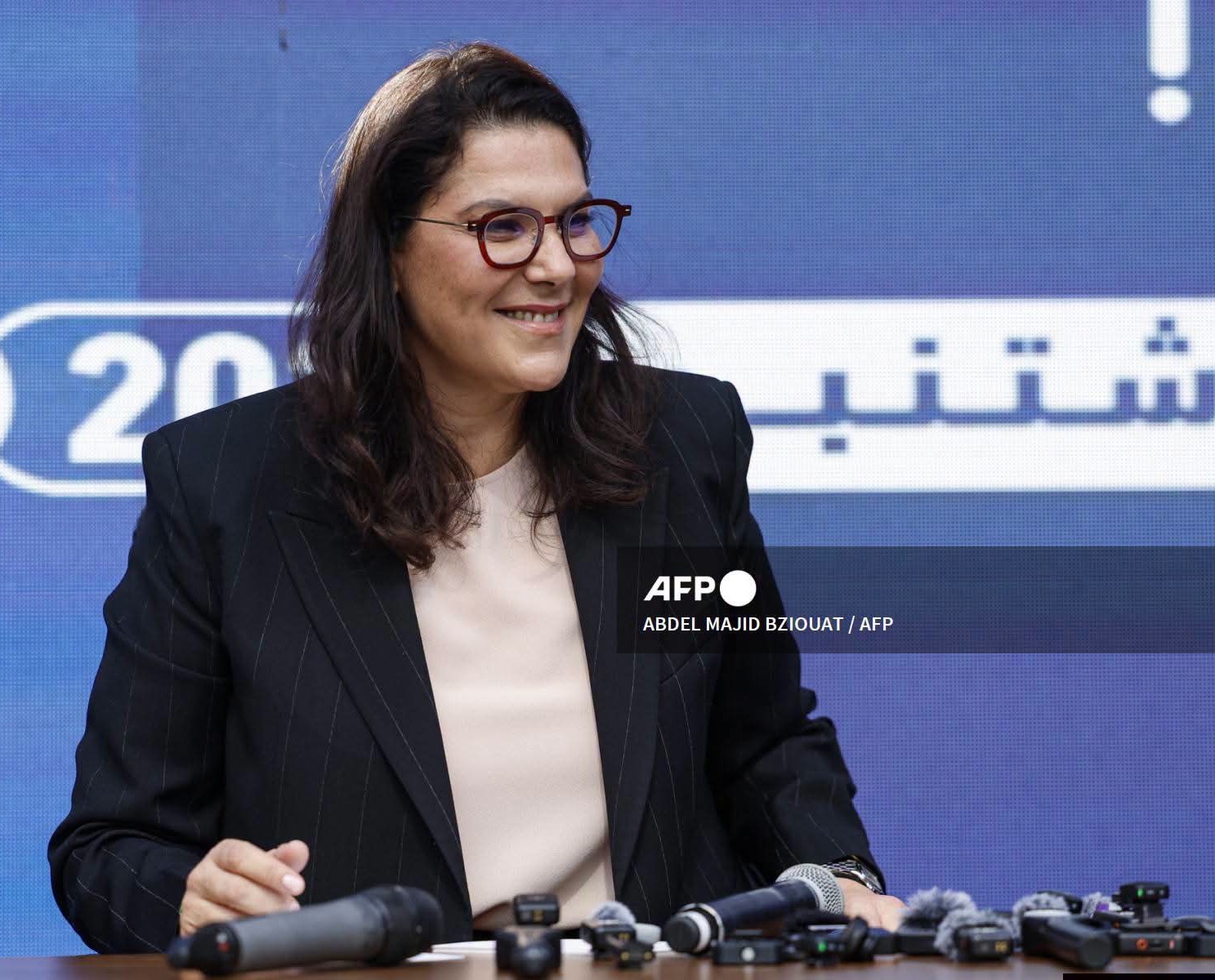
In a landmark moment for the North African nation and the broader Arab region, King Mohammed VI officially appointed Fatima Ezzahra El Mansouri as Morocco’s first female prime minister. The royal decision followed the decisive performance of her party, the Authenticity and Modernity Party (PAM), in the national parliamentary elections.
El Mansouri, 50, was formally received by King Mohammed VI at the Royal Palace, where she was officially tasked with leading consultations to form a new government.
In a televised address delivered shortly after her appointment, El Mansouri described the occasion as a pivotal turning point for the country.
“For the first time in our country’s history, a woman is taking on the responsibility of leading the government,” El Mansouri declared. “This is a source of pride not only for me, but for all Moroccan women.”
El Mansouri’s elevation to the premiership marks a historic chapter in Moroccan politics. She is only the second woman to serve as head of government in the Arab world.
The appointment follows the September 23 legislative elections, in which the centrist PAM secured the largest share of seats in the House of Representatives, pulling ahead of rival political factions. Because no single party won an absolute majority, El Mansouri’s immediate priority will be negotiating a governing coalition.
“The work starts today,” she noted, outlining plans to initiate internal party reviews before opening formal talks with other parliamentary blocs to assemble a stable cabinet.
Born in Marrakesh in 1976, El Mansouri developed a career grounded in law and public policy. After training as a commercial lawyer in France and the United States, she quickly rose through the ranks of local governance.
El Mansouri assumes leadership during a critical period of economic modernization and social reform in the kingdom. As prime minister-designate, her immediate focus will center on balancing coalition demands while addressing key domestic priorities, including economic growth, employment, and ongoing social welfare reforms.
Her government will operate within Morocco’s constitutional monarchy, where major strategic orientations and security policies remain under the guidance of the sovereign, King Mohammed VI. However, as the executive leader of cabinet policy, El Mansouri’s appointment sets a precedent for regional governance and female leadership across North Africa and the Middle East.