The United States has removed Venezuela from its list of countries that have failed demonstrably to combat illegal drug trafficking, President Donald Trump announced Wednesday, marking the first time in more than 20 years the country has been taken off the blacklist.
In a presidential determination submitted to Congress and published by the State Department, Trump said the decision was based on increased cooperation from Venezuela’s interim government following the ouster and arrest of former President Nicolas Maduro in January.
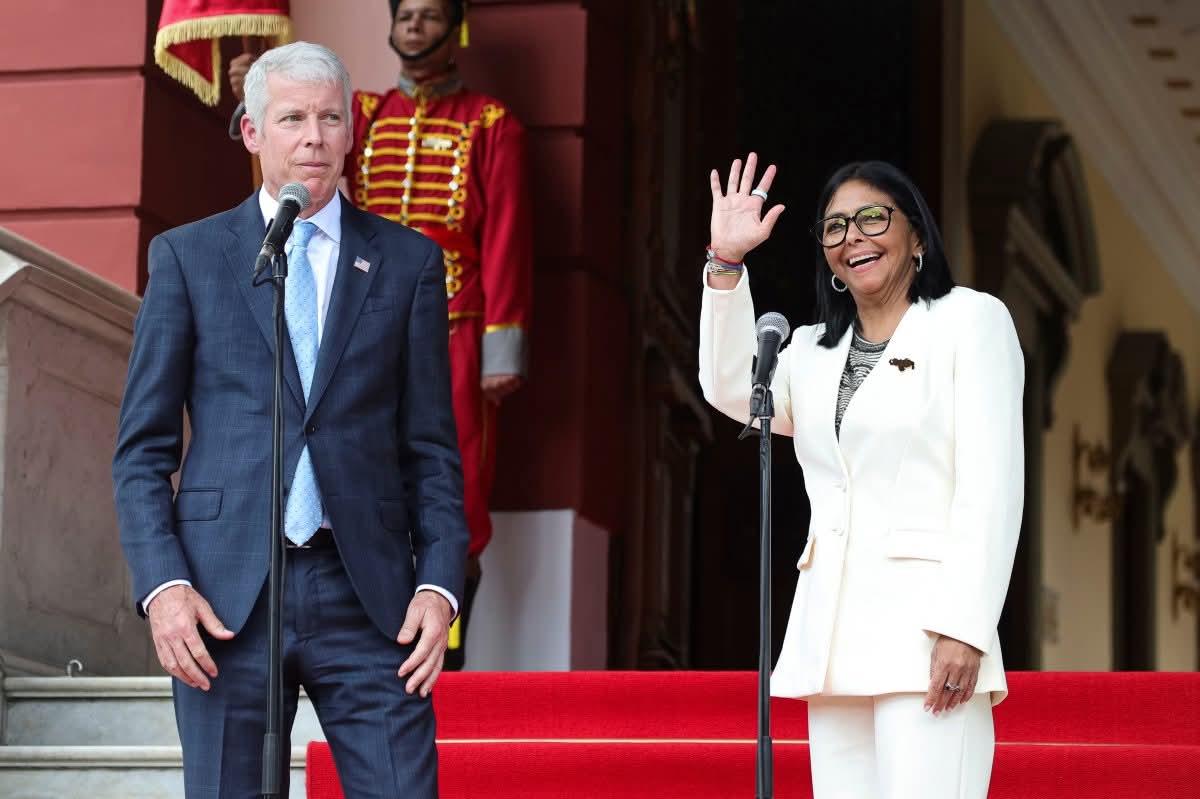
“Given the positive advances achieved under the leadership of Interim President Delcy Rodriguez, I have determined that Venezuela should no longer be designated as having failed demonstrably,” Trump said in the document.
Venezuela has been on the “failed demonstrably” list since 2005. The designation is made annually under the Foreign Relations Authorization Act and can trigger sanctions and loss of US assistance.
Trump credited his administration’s operation to arrest and remove Maduro, whom Washington has long accused of being a drug trafficker, for opening a new chapter of counter-narcotics cooperation.
“In Venezuela, thanks to my Administration’s arrest and removal of former illegitimate dictator and drug trafficker Nicolas Maduro, we are already seeing the results of growing cooperation with the country’s interim government against cartels,” Trump said.
He cited in particular cooperation that led to the killing of Jose Antonio Tovar, alias “El Nino Guerrero,” described by Washington as the leader of the Tren de Aragua criminal organization, and said the interim government led by Maduro’s former deputy, Delcy Rodriguez, was showing “increasing cooperation” in combating trafficking organizations.
Trump added that he expects “continued, measurable progress from the interim government in dismantling narcoterrorist groups and stopping drug trafficking through Venezuela.”
The White House noted that while Venezuela is being removed from the failure list, it remains on a separate, broader list of 23 major drug transit or illicit drug-producing countries for fiscal year 2027, which also includes Mexico, Colombia, Bolivia, Ecuador, Peru, China, India and Afghanistan. The State Department clarified that inclusion on that broader list “does not necessarily reflect a government’s current counternarcotics efforts or its level of cooperation with Washington”.
The President also signaled that Colombia and Bolivia could be next.
“Colombia is poised to resume its place as our foremost security partner in the hemisphere” after the election of President Abelardo De La Espriella, Trump said, adding “If, as expected, Colombia makes progress on aggressive coca eradication and dismantling its narcoterrorist networks over the coming year, I will consider lifting the country’s ‘failed demonstrably’ status”.
Colombia was placed on the failure list last year amid tensions between Trump and former leftist President Gustavo Petro. Trump has endorsed De La Espriella, who took office in August pledging a security crackdown.
Venezuela’s interim government has not yet publicly commented on the delisting, which comes as Washington and Caracas negotiate a new oil and security cooperation framework following Maduro’s removal to face trial on drug trafficking charges in a New York federal court.