
By Ifere Paul
For decades, Cr
 oss River State has proudly worn the badge of Nigeria’s “Green State.” Our vast tropical rainforest, unique biodiversity, and breathtaking landscapes have distinguished us not only within Nigeria but across Africa. Yet this cherished identity is under increasing pressure from deforestation, illegal logging, unsustainable farming practices, and the growing impacts of climate change.
The question before us is no longer whether we should restore our forests. The real question is how quickly and how collectively we can act.
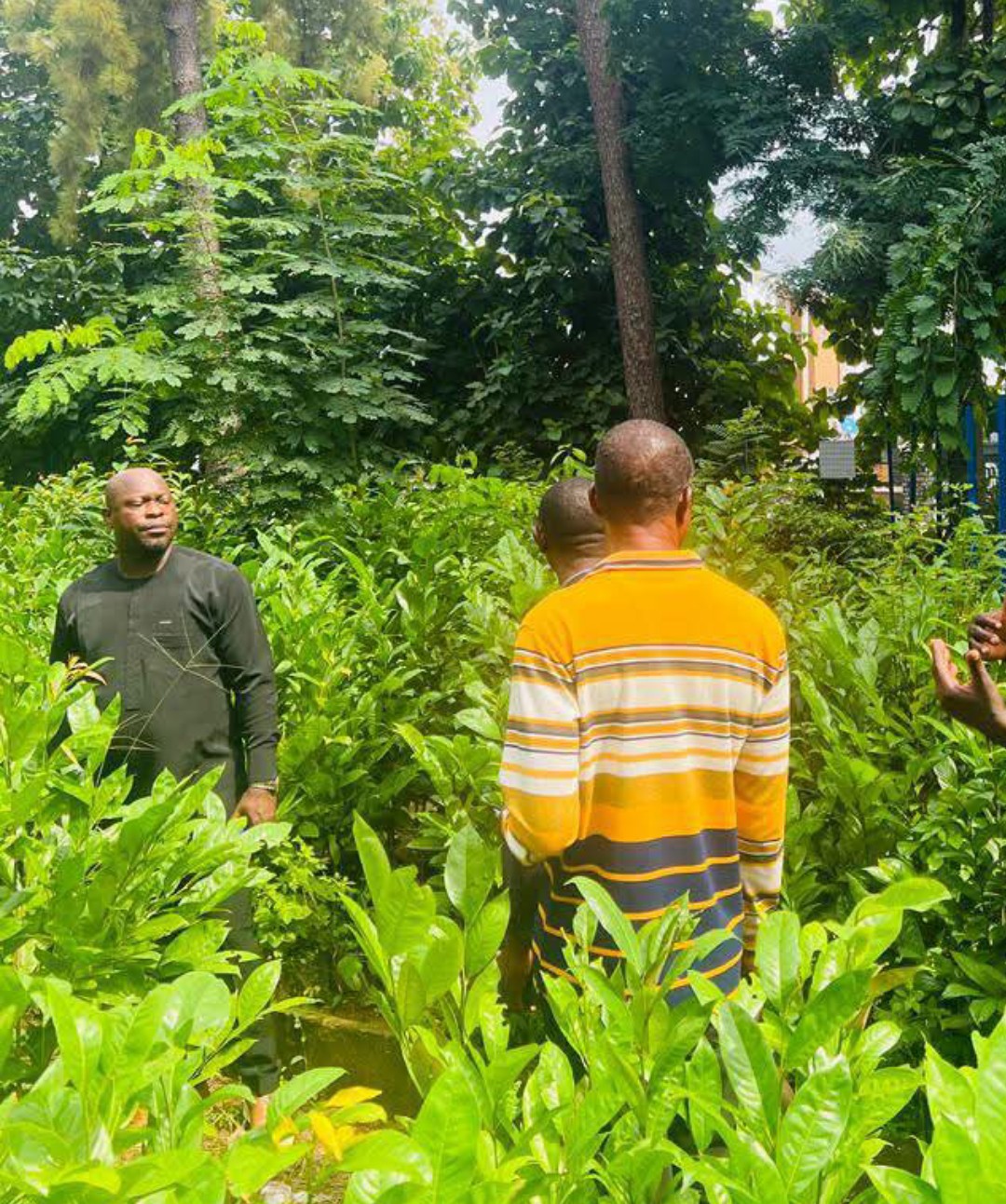
Reforestation is one of the most practical and far-reaching investments Cross River State can make. It is not merely an environmental programme; it is a pathway to economic growth, food security, climate resilience, tourism development, and sustainable livelihoods.
Forests are the lungs of our environment. They absorb carbon dioxide, improve air quality, regulate rainfall, protect watersheds, and reduce the devastating effects of erosion and flooding. Every tree planted today is an investment in cleaner air, healthier communities, and a more secure future.
Cross River’s forests also represent one of the world’s most valuable biodiversity hotspots. They shelter endangered wildlife, including the Cross River gorilla, forest elephants, chimpanzees, and hundreds of plant species that contribute to scientific research and traditional medicine.
Preserving these ecosystems is not only a responsibility to our people but also a contribution to global environmental conservation.
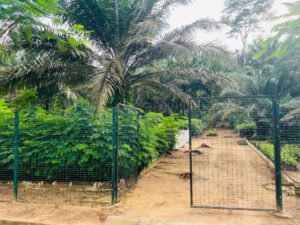
Beyond environmental protection lies a compelling economic opportunity. A well-planned reforestation programme can create thousands of jobs through tree nurseries, forest restoration, sustainable timber production, agroforestry, eco-tourism, and emerging carbon-credit markets.
In a State blessed with fertile lands and abundant natural resources, the green economy can become a major driver of inclusive development.
Farmers stand to gain immensely as well. Integrating trees with crops such as cocoa, oil palm, and other cash crops improves soil fertility, conserves moisture, and increases long-term productivity. Reforestation therefore strengthens both environmental sustainability and food security.
It is encouraging that the administration of Governor Bassey Otu has consistently highlighted environmental sustainability, climate resilience, and agricultural transformation as important components of its development agenda. These priorities present a timely opportunity to expand tree-planting initiatives, strengthen forest protection, promote community participation, and attract local and international investment in nature-based solutions.
However, government action alone will not be enough. Every stakeholder has a role to play.
Traditional rulers must continue protecting community forests. Educational institutions should nurture environmental consciousness among young people. Civil society organisations must sustain advocacy and public awareness. The private sector should invest in large-scale tree planting as part of its corporate social responsibility. Most importantly, every citizen should recognise that protecting our forests is protecting our future.
Cross River has the capacity to become Nigeria’s leading model for forest restoration and climate action. By combining strong political leadership with community ownership and private-sector investment, the State can restore degraded landscapes while creating employment and improving rural livelihoods.
History will judge this generation not by the number of trees we cut down, but by the forests we restored.
If we are determined to preserve Cross River’s reputation as Nigeria’s Green State, reforestation must become more than a seasonal campaign. It should evolve into a sustained movement embraced by government, communities, institutions, and every citizen.
The future of Cross River’s environment, economy, and generations yet unborn depends on the decisions we make today. Let us choose restoration over degradation, conservation over exploitation, and sustainability over short-term gain.
The trees we plant today will become the legacy we leave tomorrow.