By: Eugene Upah
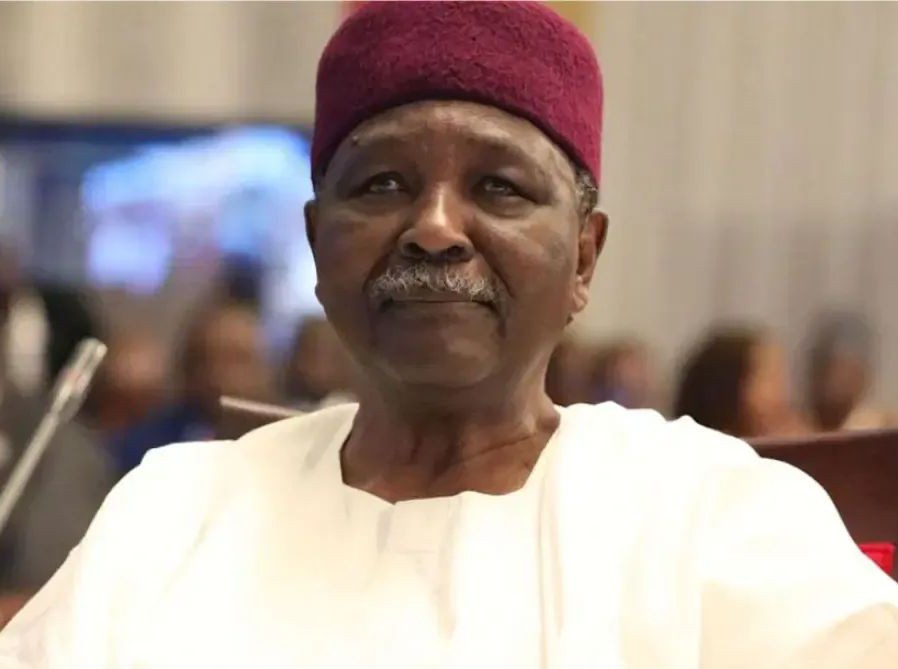
Former Nigerian Head of State Gen. Yakubu Gowon has accused late Biafran leader Chukwuemeka Odumegwu Ojukwu of deliberately derailing peace efforts that could have prevented the 1967–1970 Civil War.
The allegation appears in Gowon’s new autobiography, My Life of Service and Allegiance, released this week. In it, Gowon gives a first-hand account of the political crisis and mistrust that followed the January and July 1966 coups and led Nigeria into conflict.
“Ojukwu deliberately and effectively thwarted every effort we made to amicably resolve our national issues,” Gowon wrote.
Gowon said the federal military government entered the January 1967 Aburi talks in Ghana with “open minds and with the sincere hope of finding a basis for national reconciliation” after mass killings of Igbos in Northern Nigeria sparked outrage in the East.
The meeting, brokered by Ghana’s then-leader Lt.-Gen. Joseph Arthur Ankrah, brought together Nigeria’s top military officers. But Gowon claimed the talks collapsed because both sides returned with different interpretations of the agreement.
“What was presented by Ojukwu as the Aburi Accord was, in reality, his own interpretation of our discussions,” he stated. He argued that Ojukwu’s version would have stripped the federal government of authority and made the federation ungovernable.
Gowon said his government continued seeking a political settlement even as regional tensions rose and Biafra’s declaration loomed. He cited the creation of 12 states in May 1967 as an attempt to address fears of domination among minority groups in the old Eastern Region.
“The creation of states was intended to give all groups a sense of belonging within Nigeria,” he wrote.
He maintained that military action became unavoidable only after Ojukwu declared Biafra on May 30, 1967. “Ojukwu’s declaration of Biafra left the federal government with no choice,” Gowon wrote.
Gowon defended the federal government’s ‘No Victor, No Vanquished’ policy after the war ended in January 1970, saying the goal was national unity, not punishment.
“We fought to keep Nigeria one, not to destroy a people,” he wrote. He acknowledged the trauma caused by the 1966 killings of Igbos but said the breakup of Nigeria “was never an option I could accept.”
Ojukwu, who died in 2011, consistently argued that Biafra was a response to the Nigerian state’s failure to protect Easterners.
Gowon’s memoir directly counters that view, placing responsibility for the collapse of peace talks on the Biafran leader. “We exhausted every peaceful avenue available to us. But Nigeria had to survive,” he concluded.
The Aburi Accord remains one of the most contested events in Nigeria’s history, with historians still debating whether it represented the country’s last chance for peace.